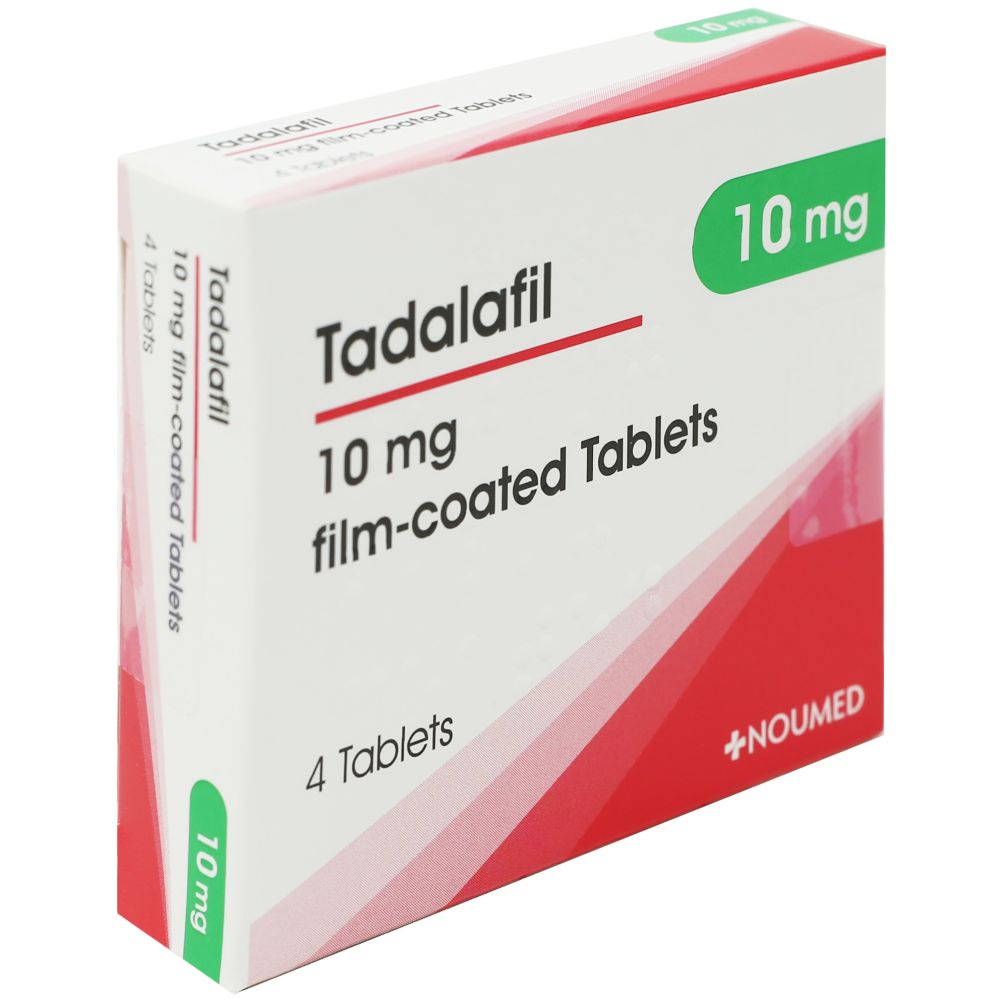
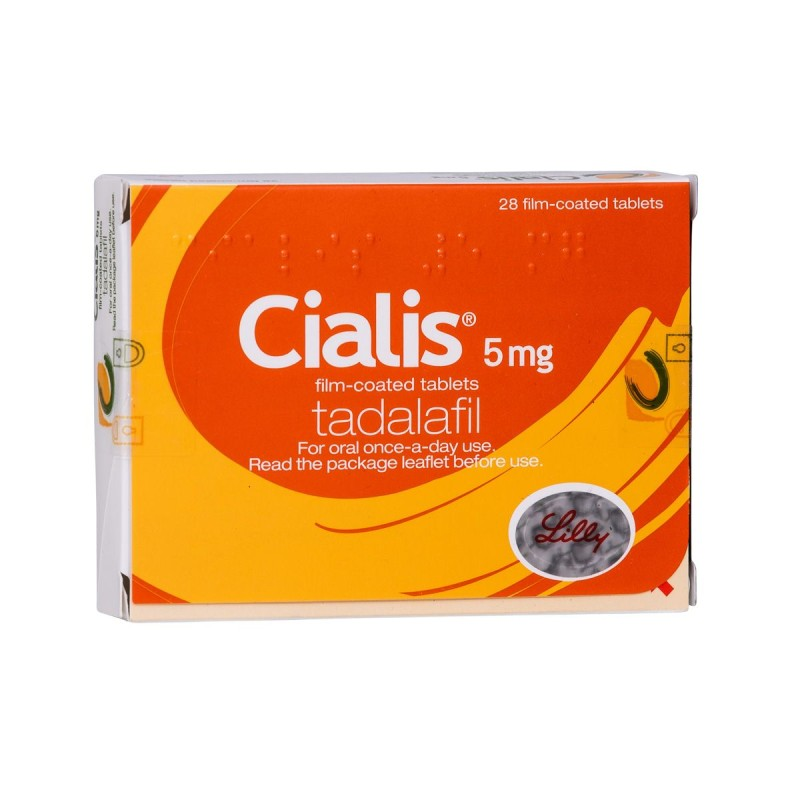
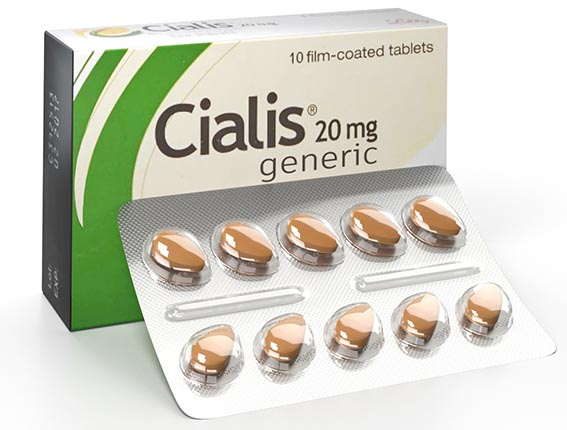

Tadalafil 5mg
Tadalafil is a medication used to treat erectile dysfunction, benign prostatic hyperplasia, and pulmonary arterial hypertension by relaxing blood vessels and improving blood flow.
$1.07 per pill
Tadalafil treats erectile dysfunction by inhibiting the PDE5 enzyme, which boosts blood flow to the penis during sexual stimulation, helping to achieve and maintain an erection.
Health Benefits
- Improves Urinary Symptoms: Tadalafil helps relax muscles in the bladder and prostate, making it effective for treating benign prostatic hyperplasia (BPH), which can reduce frequent or difficult urination.
- Supports Heart and Vascular Health: By enhancing nitric oxide signaling and improving blood circulation, tadalafil may lower the risk of cardiovascular events and improve overall heart function.
- Treats Pulmonary Hypertension: Tadalafil is approved for pulmonary arterial hypertension (PAH), where it helps reduce blood pressure in the lungs and improves exercise capacity.
- May Boost Cognitive Function: Emerging research suggests tadalafil may increase cerebral blood flow, potentially supporting brain health and reducing the risk of cognitive decline.
- Enhances Physical Performance: Some studies and anecdotal reports indicate that tadalafil may improve workout endurance and recovery by increasing oxygen delivery and muscle blood flow.
Dosage & Instructions
For erectile dysfunction, tadalafil is typically taken as a 10 mg tablet before sexual activity or as a 2.5–5 mg dose once daily, depending on individual needs and tolerability. For benign prostatic hyperplasia or combined ED/BPH treatment, the recommended dose is 5 mg once daily at the same time each day.
Important Safety Information
- • Avoid Nitrates: Never take tadalafil with nitrate medications (used for chest pain), as this combination can cause a dangerous drop in blood pressure.
- • Skip the Grapefruit: Grapefruit and grapefruit juice may interfere with how tadalafil is metabolized, potentially increasing side effects.
- • Heart Health Check: If you have heart conditions—such as recent heart attack, stroke, or severe heart failure—consult your doctor before using tadalafil.
- • Watch for Priapism: An erection lasting more than 4 hours is a medical emergency. Seek immediate help to prevent permanent damage.
- • Medication Interactions: Tell your doctor about all medications and supplements you're taking, especially alpha-blockers, antifungals, and HIV treatments, which may interact with tadalafil.
Product Description
Tadalafil is a prescription medication used to treat erectile dysfunction (ED), benign prostatic hyperplasia (BPH), and pulmonary arterial hypertension (PAH). It belongs to a class of drugs known as phosphodiesterase type 5 (PDE5) inhibitors, which work by relaxing smooth muscle tissue and increasing blood flow to specific areas of the body. For ED, tadalafil enhances blood flow to the penis during sexual stimulation, helping men achieve and maintain an erection. For BPH, it relieves urinary symptoms by relaxing muscles in the prostate and bladder. In PAH, it reduces blood pressure in the lungs, improving exercise capacity and reducing strain on the heart.
Tadalafil is available in tablet form and is taken orally. Dosage varies depending on the condition being treated: for ED, it may be taken as needed (typically 10–20 mg before sexual activity) or once daily in lower doses (2.5–5 mg); for BPH or combined ED/BPH treatment, a daily dose of 5 mg is common; and for PAH, the standard dose is 40 mg per day, divided into two 20 mg doses. The drug begins working within 30 minutes and can remain effective for up to 36 hours, earning it the nickname “the weekend pill.” It can be taken with or without food, but grapefruit products should be avoided due to potential interactions.
Common side effects of tadalafil include headache, muscle aches, flushing, nasal congestion, and indigestion. More serious risks include vision or hearing changes, prolonged erections (priapism), and significant drops in blood pressure—especially when combined with nitrate medications. Tadalafil is not recommended for individuals with certain heart conditions or those taking medications that affect blood pressure or liver enzymes. Despite these precautions, tadalafil is widely used and considered safe and effective when prescribed appropriately. It is available under brand names such as Cialis and Adcirca, and also in generic forms.
Ingredients
Tadalafil tablets contain tadalafil as the active ingredient, which is responsible for the medication’s therapeutic effects. In addition to this, the tablets include several inactive components that aid in manufacturing, stability, and absorption. These typically consist of substances like lactose monohydrate, microcrystalline cellulose, croscarmellose sodium, hydroxypropyl cellulose, and magnesium stearate. The outer coating may feature agents such as hypromellose, titanium dioxide, and iron oxide pigments, depending on the brand. These ingredients help ensure the tablet is easy to swallow, dissolves properly, and maintains its integrity during storage.
Reviews
Tadalafil has earned a strong reputation for its effectiveness in treating erectile dysfunction (ED), benign prostatic hyperplasia (BPH), and pulmonary arterial hypertension (PAH). Many users appreciate its long duration of action—up to 36 hours—which offers greater flexibility compared to other ED medications. It’s available in both brand-name forms like Cialis and Adcirca, and as a more affordable generic. Patients often report improved confidence and quality of life, especially when using tadalafil for ED or BPH. Its once-daily dosing option is also praised for convenience and consistency.
However, reviews also highlight some drawbacks. Common side effects include headaches, muscle aches, flushing, and nasal congestion, which can be bothersome for some users. More serious risks, such as vision changes or interactions with nitrate medications, require careful medical supervision. Experts have debated whether tadalafil should be available without a prescription, citing its favorable safety profile but emphasizing the importance of proper usage and awareness of contraindications. Overall, when taken as directed, tadalafil is widely regarded as a reliable and well-tolerated treatment.
Drug Interactions
Tadalafil can interact with a wide range of medications, which may alter its effectiveness or increase the risk of side effects. One of the most serious interactions occurs with nitrate-based drugs, commonly prescribed for chest pain or heart conditions—combining these with tadalafil can cause a dangerous drop in blood pressure. Alpha-blockers used for high blood pressure or prostate issues may also amplify this effect. Additionally, certain antifungal agents, antibiotics, and HIV protease inhibitors can affect how tadalafil is metabolized in the body, potentially leading to increased drug levels and heightened side effects. Patients taking medications that influence liver enzymes, particularly CYP3A4 inhibitors, should be monitored closely.
Food and alcohol can also play a role in how tadalafil behaves. Grapefruit juice, for example, may increase tadalafil levels by interfering with its breakdown in the digestive system, although this interaction hasn’t been extensively studied. Alcohol, when consumed in large quantities alongside tadalafil, can intensify side effects like dizziness, headache, and low blood pressure due to their combined vasodilatory effects. While moderate alcohol intake may not pose significant risks, caution is advised. To ensure safety, individuals should always consult their healthcare provider before combining tadalafil with other substances, especially if they have underlying health conditions or are taking multiple medications.