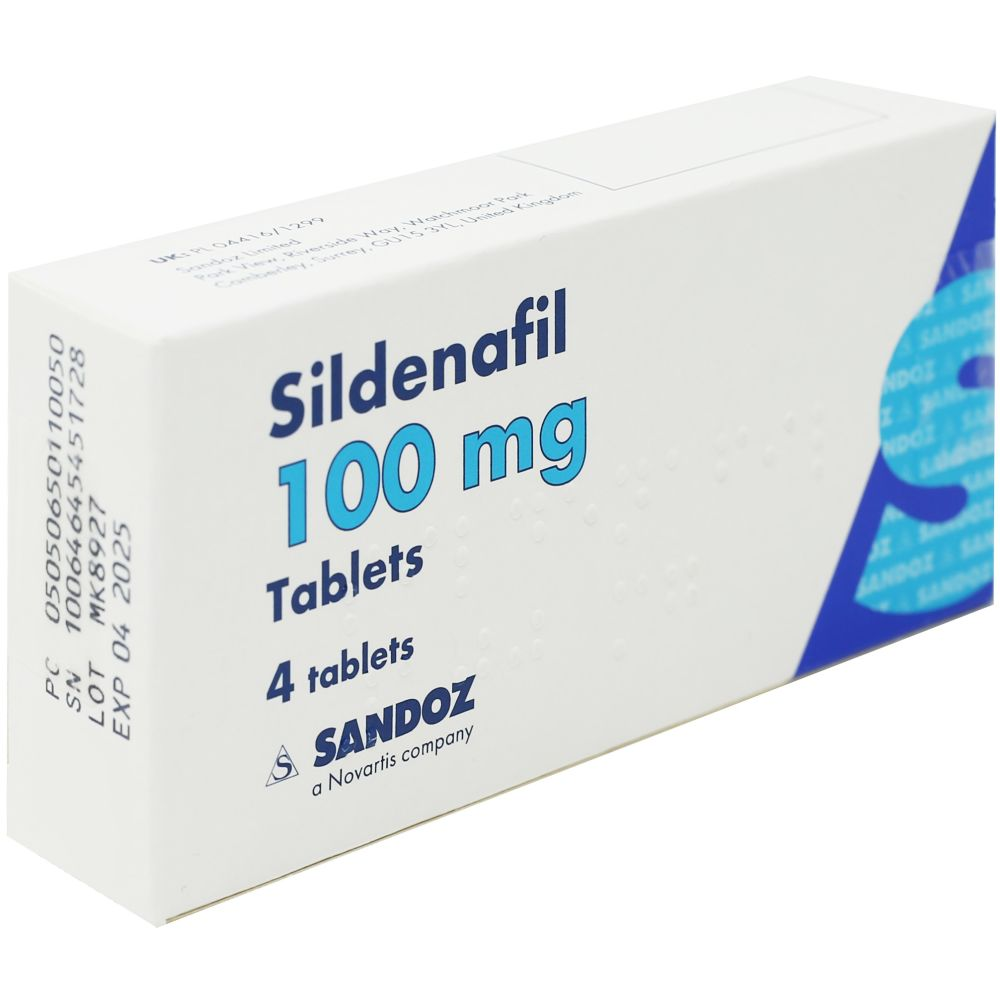
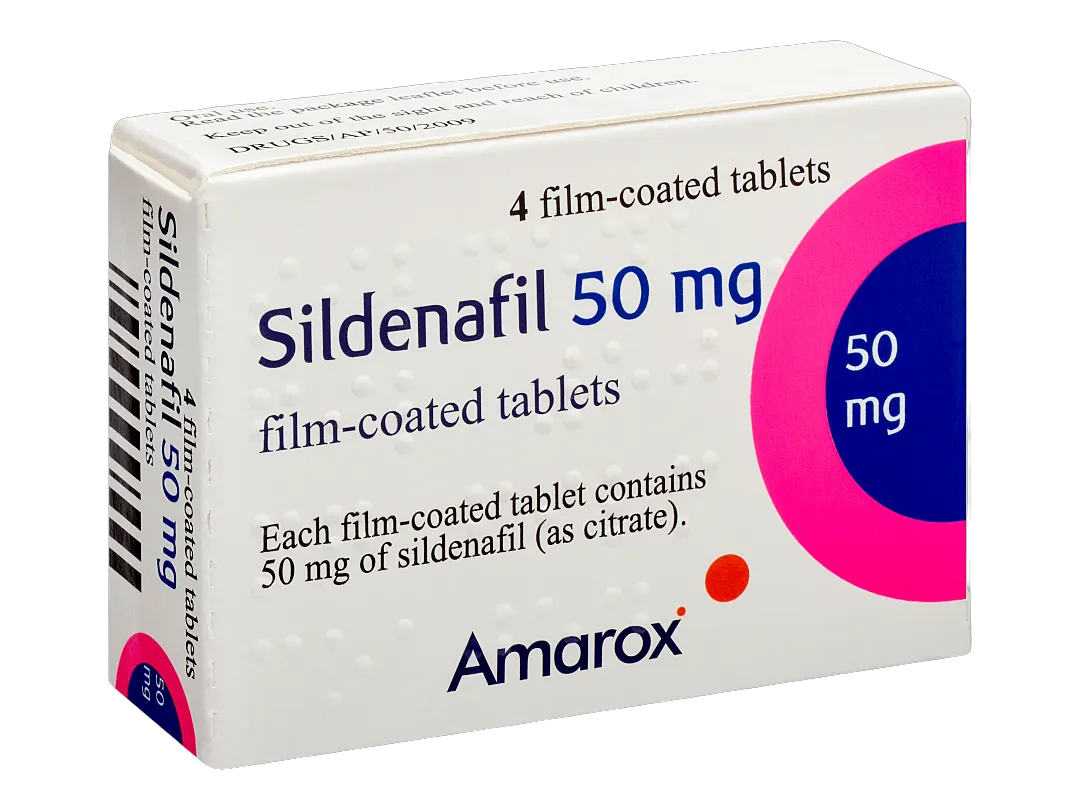
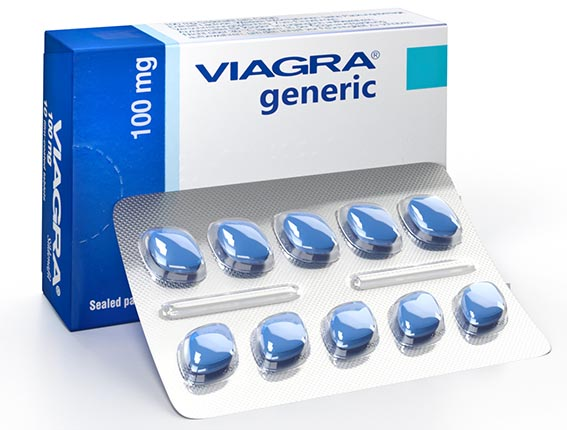

Sildenafil 100mg
Sildenafil is a medication used to treat erectile dysfunction and pulmonary arterial hypertension by relaxing blood vessels and improving blood flow.
$0.36 per pill
Sildenafil treats erectile dysfunction by inhibiting the PDE5 enzyme, which enhances blood flow to the penis during sexual stimulation, helping to achieve and maintain an erection.
Health Benefits
- Supports Heart Health: Studies suggest that regular use of PDE5 inhibitors like sildenafil may reduce the risk of heart-related issues, including heart failure and major cardiovascular events.
- Treats Pulmonary Hypertension: Sildenafil is approved for managing pulmonary arterial hypertension (PAH), helping relax blood vessels in the lungs and improve oxygen flow.
- Improves Blood Vessel Function: By acting as a vasodilator, sildenafil enhances blood flow throughout the body, which may benefit circulation and reduce strain on the heart.
- May Lower Risk of Stroke: Research has linked sildenafil use to a reduced rate of stroke and other adverse cardiovascular outcomes in men with ED.
- Boosts Confidence and Sexual Satisfaction: Beyond physical effects, sildenafil can improve psychological well-being by enhancing sexual performance and reducing anxiety related to intimacy.
Dosage & Instructions
For erectile dysfunction, sildenafil is typically taken as a 50 mg tablet about one hour before sexual activity, with possible adjustments to 25 mg or 100 mg based on effectiveness and tolerance. It should not be taken more than once per day and works best with sexual stimulation.
Contains: Sildenafil Citrate
Important Safety Information
- • Avoid Nitrates: Never take sildenafil with nitrate medications (used for chest pain), as this combination can cause a dangerous drop in blood pressure.
- • Heart Precautions: If you have heart conditions where sexual activity is risky—such as recent heart attack, stroke, or severe heart failure—consult your doctor before using sildenafil.
- • Vision & Hearing Warnings: Stop using sildenafil and seek medical help immediately if you experience sudden vision loss or hearing changes, which may signal rare but serious side effects.
- • Prolonged Erection Risk: An erection lasting more than 4 hours (priapism) requires emergency treatment to prevent permanent damage.
- • Medication Interactions: Use caution when combining sildenafil with alpha-blockers, blood pressure medications, or CYP3A4 inhibitors like ritonavir, as these can increase side effects or alter drug levels.
Product Description
Sildenafil, commonly known by brand names such as Viagra and Revatio, is a prescription medication primarily used to treat erectile dysfunction (ED) and pulmonary arterial hypertension (PAH). It belongs to a class of drugs called phosphodiesterase type 5 (PDE5) inhibitors, which work by enhancing the effects of nitric oxide—a natural chemical the body produces to relax muscles in the penis and lungs. This relaxation allows for increased blood flow, helping men achieve and maintain an erection during sexual stimulation and improving exercise capacity in individuals with PAH.
The active ingredient, sildenafil citrate, is available in oral tablet form in strengths of 25 mg, 50 mg, and 100 mg for ED, and typically 20 mg for PAH. It is usually taken about one hour before sexual activity, though it can be effective within 30 minutes and up to four hours afterward. For PAH, it is taken three times daily, spaced evenly throughout the day. Sildenafil should not be used more than once per day for ED and must be taken under medical supervision to avoid serious side effects, especially when combined with certain medications like nitrates or alpha-blockers.
Common side effects include headache, flushing, nasal congestion, upset stomach, and visual disturbances. More serious risks involve sudden hearing or vision loss, prolonged erections (priapism), and significant drops in blood pressure when taken with contraindicated drugs. Sildenafil is not intended for use in women or children, and its safety profile requires careful consideration in patients with cardiovascular conditions. Despite these precautions, sildenafil remains one of the most widely prescribed and effective treatments for ED and PAH, with millions of users worldwide benefiting from its therapeutic effects.
Ingredients
Sildenafil contains the active ingredient sildenafil citrate, a selective inhibitor of phosphodiesterase type 5 (PDE5). This compound enhances erectile function and treats pulmonary arterial hypertension by promoting vasodilation and increasing blood flow. Sildenafil citrate is typically formulated as film-coated tablets in strengths of 25 mg, 50 mg, and 100 mg for erectile dysfunction, and 20 mg for pulmonary hypertension. The tablets are often white to off-white and shaped in a rounded diamond form, depending on the manufacturer.
In addition to the active ingredient, sildenafil tablets include several inactive excipients that support tablet stability, absorption, and appearance. These may include microcrystalline cellulose, croscarmellose sodium, magnesium stearate, hypromellose, titanium dioxide, lactose monohydrate, and FD&C Blue No. 2 aluminum lake. These ingredients do not contribute to the drug’s therapeutic effect but are essential for manufacturing consistency and patient tolerability. Always check the product label or consult a pharmacist if you have allergies or sensitivities to any components.
Reviews
Sildenafil is widely praised for its effectiveness in treating erectile dysfunction, with many users reporting improved sexual performance and confidence. It typically begins working within 30 to 60 minutes and can last up to four hours, depending on the dose and individual response. Users often highlight its reliability and fast onset, especially when taken on an empty stomach. Compared to other ED medications, sildenafil is considered a solid first-line option due to its proven track record and affordability in generic form.
However, experiences can vary. Some users report mild side effects such as flushing, nasal congestion, and headaches, while others mention more noticeable reactions like facial redness or temporary visual changes. Reviews also suggest that lower doses (e.g., 25 mg) may be sufficient for some, with fewer side effects, while higher doses (100 mg) offer longer-lasting results but may increase discomfort1. Overall, satisfaction tends to be high, especially among older men who find renewed intimacy and improved quality of life through its use.
Drug Interactions
Sildenafil can interact with a variety of medications, potentially leading to serious health risks or reduced effectiveness. One of the most dangerous interactions occurs with nitrate-based drugs—commonly used to treat chest pain or heart conditions—which can cause a severe and potentially life-threatening drop in blood pressure when combined with sildenafil. Similarly, guanylate cyclase stimulators like riociguat (used for pulmonary hypertension) should not be taken with sildenafil due to their additive blood pressure-lowering effects. Other medications that may interact include alpha-blockers (e.g., tamsulosin), antihypertensives, and CYP3A4 inhibitors such as ritonavir, which can increase sildenafil levels in the body and intensify side effects.
In addition to prescription drugs, certain lifestyle factors and over-the-counter substances can also affect how sildenafil works. Alcohol may amplify the blood pressure-lowering effects of sildenafil, increasing the risk of dizziness or fainting. Grapefruit juice can interfere with the drug’s metabolism, potentially leading to higher concentrations in the bloodstream and stronger side effects. Patients with underlying conditions like cardiovascular disease, liver or kidney impairment, or anatomical abnormalities of the penis should use sildenafil cautiously and under medical supervision. Always disclose all medications and supplements to your healthcare provider to avoid harmful interactions and ensure safe use.