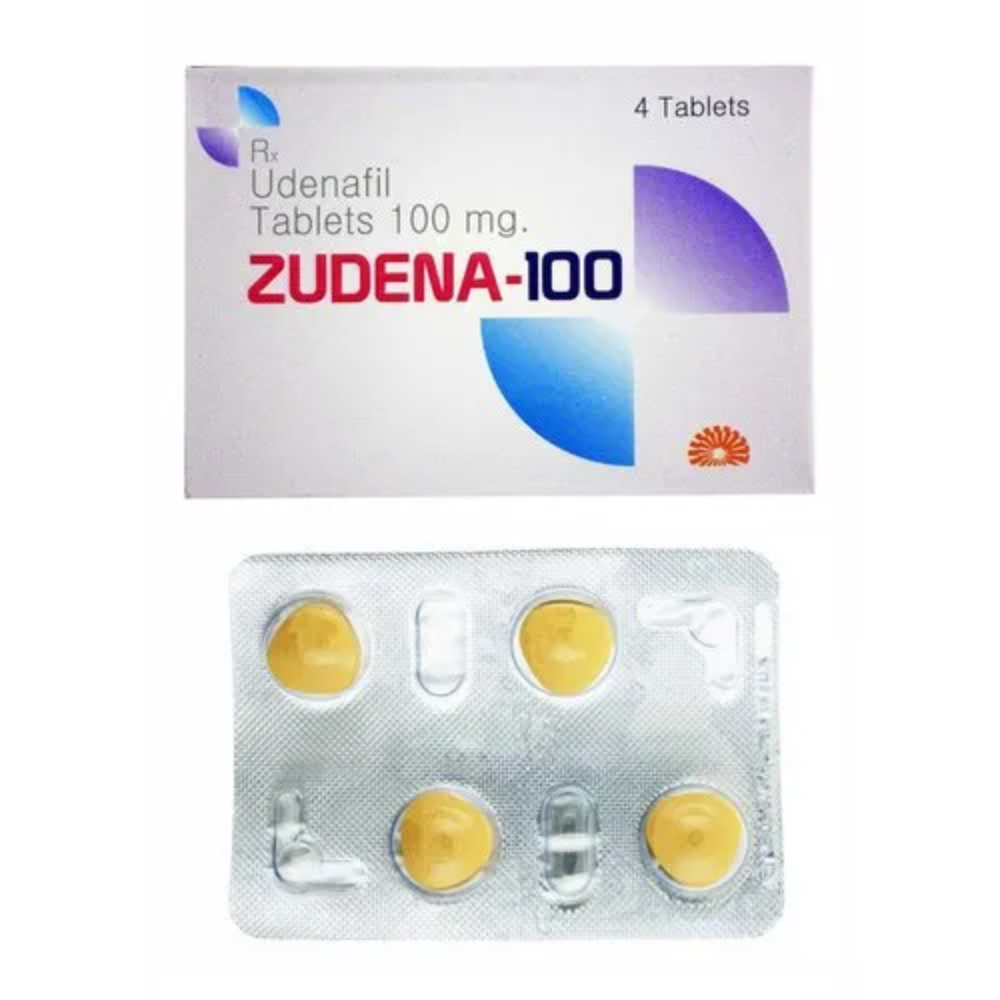
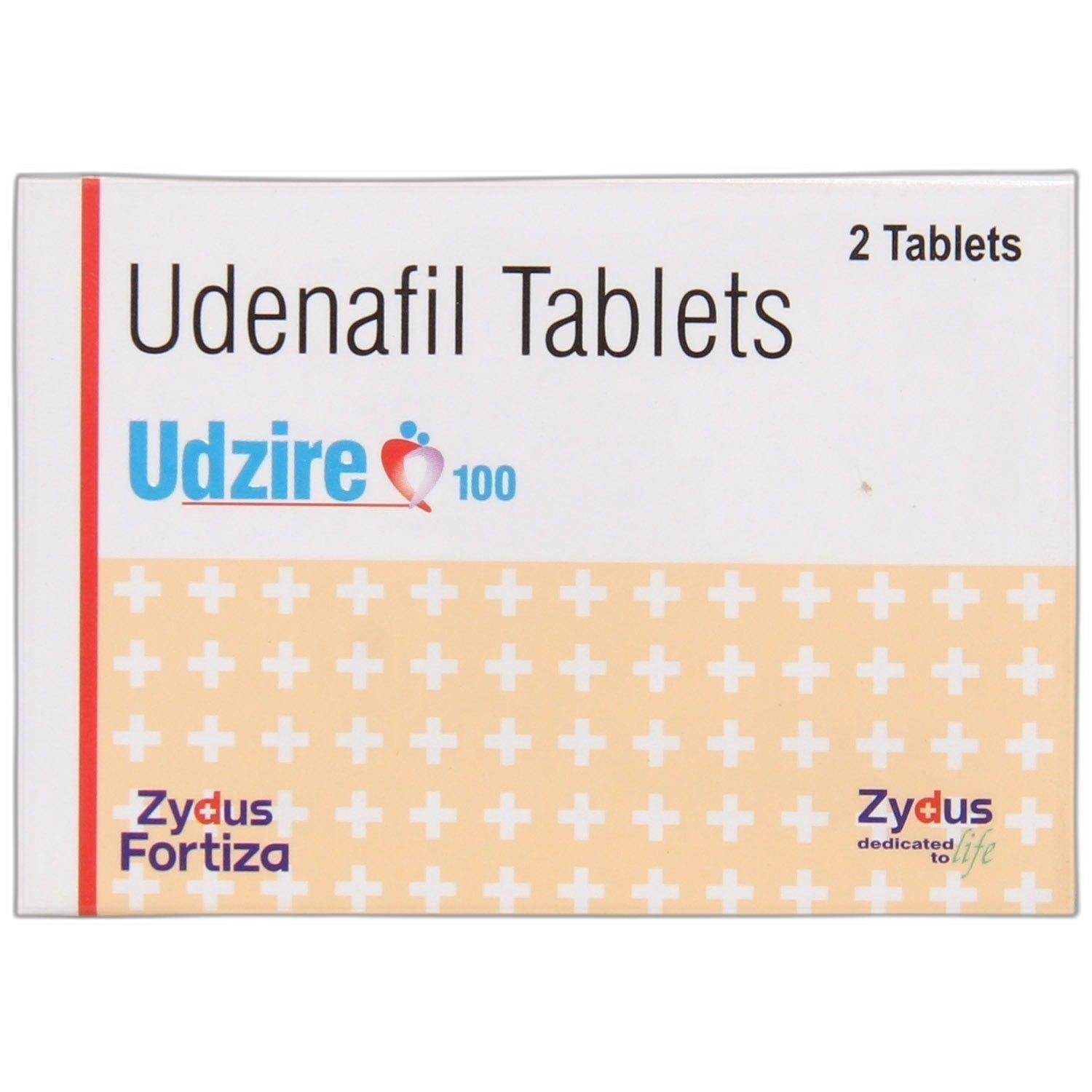
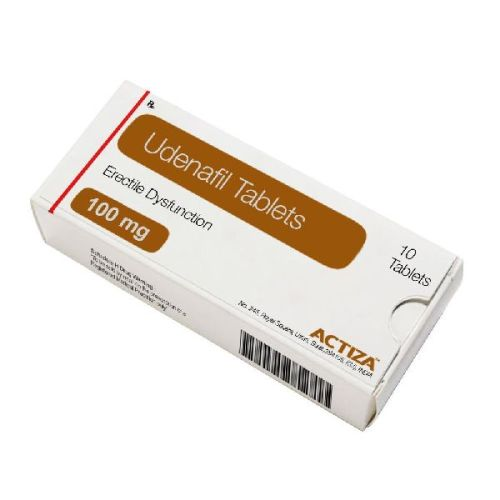

Udenafil 100mg
Udenafil is a prescription medication used to treat erectile dysfunction by enhancing blood flow through inhibition of the enzyme phosphodiesterase type 5 (PDE5).
$11.79 per pill
Udenafil treats erectile dysfunction by relaxing blood vessels in the penis, increasing blood flow during sexual stimulation through inhibition of the PDE5 enzyme.
Health Benefits
- Enhances erectile function by improving blood flow to the penis through PDE5 inhibition.
- Acts quickly, with effects typically starting within 30 to 60 minutes after ingestion.
- Provides long-lasting results, maintaining efficacy for up to 24 hours.
- Supports flexible dosing, allowing for both on-demand and once-daily use depending on individual needs.
- Improves overall sexual satisfaction, contributing to better confidence and relationship quality.
Dosage & Instructions
Udenafil is typically taken orally at a starting dose of 100 mg about 30 minutes before sexual activity, with or without food. The maximum recommended dose is 200 mg once daily, and it should not be used alongside nitrates due to the risk of severe blood pressure drops.
Important Safety Information
- • Avoid Nitrate Medications: Never take udenafil with nitrate-based drugs (used for chest pain or heart conditions), as this combination can cause a dangerous drop in blood pressure
- • Consult Your Doctor First: Always speak with a healthcare provider before starting udenafil, especially if you have heart disease, liver issues, or are taking other medications that affect blood pressure.
- • Watch for Serious Side Effects: Seek immediate medical attention if you experience priapism (an erection lasting more than 4 hours), sudden vision or hearing changes, or severe dizziness.
- • Be Cautious with Food and Alcohol: Avoid grapefruit products and limit alcohol intake, as both can intensify side effects or interfere with how udenafil is processed in your body.
- • Stick to Recommended Dosage: Do not exceed the maximum dose of 200 mg per day, and follow your doctor’s instructions carefully to minimize risks and ensure effectiveness.
Product Description
Udenafil is a prescription medication primarily used to treat erectile dysfunction (ED) in men. It belongs to the class of drugs known as phosphodiesterase type 5 (PDE5) inhibitors, which also includes sildenafil, tadalafil, and vardenafil. By inhibiting the PDE5 enzyme, udenafil promotes increased blood flow to the penis during sexual stimulation, helping men achieve and maintain an erection. It is marketed under brand names such as Zydena and is approved for use in countries like South Korea, Russia, and the Philippines.
One of udenafil’s standout features is its pharmacokinetic profile, which allows for both on-demand and once-daily dosing. The drug typically reaches peak plasma concentration within 1 to 1.5 hours and has a relatively long half-life of 7 to 12 hours, meaning its effects can last up to 24 hours. This extended duration offers users greater flexibility and spontaneity in sexual activity. Udenafil is usually taken orally in doses of 100 mg or 200 mg, with or without food, approximately 30 minutes before sexual activity.
While udenafil is generally well tolerated, common side effects may include headache, flushing, nasal congestion, and indigestion. Rare but serious adverse effects such as priapism (a prolonged erection), sudden vision or hearing loss, and severe drops in blood pressure—especially when combined with nitrate medications—require immediate medical attention. As with all ED medications, it’s essential to consult a healthcare provider before use to ensure safety, especially for individuals with cardiovascular conditions or those taking other medications that affect blood pressure.
Ingredients
Udenafil’s active ingredient is udenafil itself, a selective phosphodiesterase type 5 (PDE5) inhibitor that facilitates increased blood flow to the penis during sexual stimulation. This compound is responsible for the drug’s therapeutic effects in treating erectile dysfunction. In its tablet form, udenafil is combined with various inactive ingredients that support the medication’s stability, absorption, and manufacturing. These excipients may vary slightly by brand but typically include substances that help the tablet maintain its shape, dissolve efficiently, and remain shelf-stable.
Common inactive ingredients found in udenafil formulations include microcrystalline cellulose, lactose monohydrate, croscarmellose sodium, magnesium stearate, and hydroxypropyl cellulose. The tablet’s coating may also contain agents like hypromellose, titanium dioxide, and iron oxide pigments to improve appearance and ease of swallowing. Some advanced formulations may incorporate additional compounds such as cyclodextrins or gum-based stabilizers to enhance solubility and bioavailability2. These ingredients work together to ensure the drug delivers consistent results while remaining safe and effective for users.
Reviews
Udenafil has received generally positive reviews for its effectiveness in treating erectile dysfunction, with many users reporting improved sexual performance, increased confidence, and satisfaction with its long-lasting effects—often up to 24 hours. Clinical studies have shown significant improvements in erectile function scores and successful sexual encounters compared to placebo groups. Patients appreciate its flexible dosing options and relatively mild side effects, such as headache and flushing, which are typically well tolerated. While not yet approved in all countries, udenafil continues to gain recognition as a reliable alternative to other PDE5 inhibitors.
Drug Interactions
Udenafil, like other PDE5 inhibitors, can interact with several medications that may alter its effectiveness or increase the risk of adverse effects. One of the most critical interactions occurs with nitrate-containing drugs, commonly prescribed for chest pain or heart conditions. Combining udenafil with nitrates can cause a severe and potentially life-threatening drop in blood pressure. Similarly, alpha-blockers used to treat high blood pressure or prostate enlargement may also amplify this hypotensive effect, requiring careful dose adjustment and medical supervision.
Other drug interactions involve medications that affect the liver enzyme CYP3A4, which plays a key role in metabolizing udenafil. Strong CYP3A4 inhibitors—such as ketoconazole, ritonavir, or erythromycin—can increase udenafil levels in the bloodstream, potentially intensifying side effects like headache, flushing, or dizziness. Conversely, CYP3A4 inducers like rifampin may reduce udenafil’s effectiveness by accelerating its breakdown. Patients taking these medications should consult their healthcare provider to determine whether udenafil is appropriate or if dosage adjustments are needed.
Additionally, lifestyle factors and over-the-counter substances can influence udenafil’s safety profile. Grapefruit juice may interfere with its metabolism, leading to elevated drug levels and increased risk of side effects. Excessive alcohol consumption can also compound udenafil’s vasodilatory effects, heightening the chances of dizziness or fainting. To minimize risks, users should disclose all medications, supplements, and dietary habits to their healthcare provider before starting udenafil therapy.