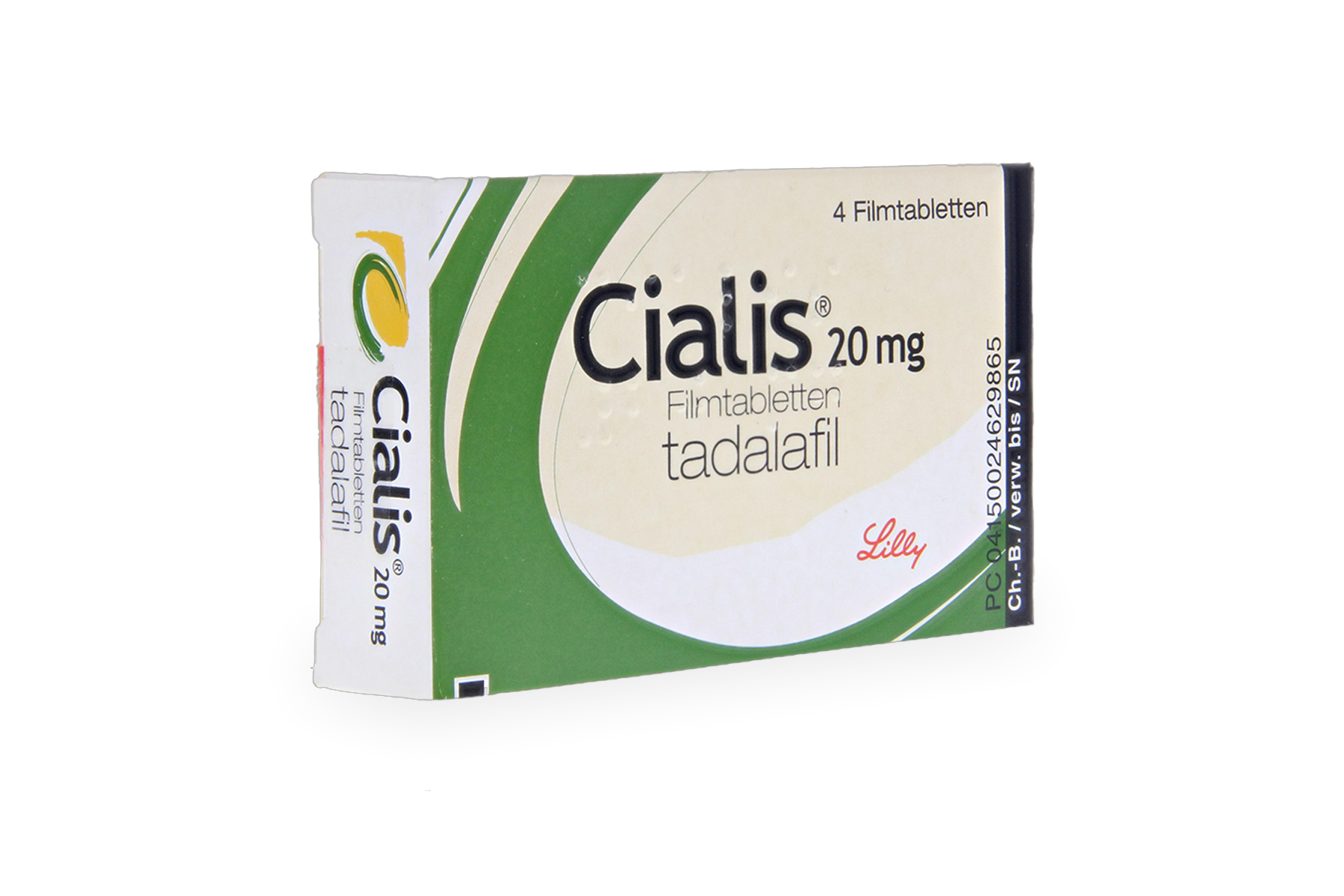
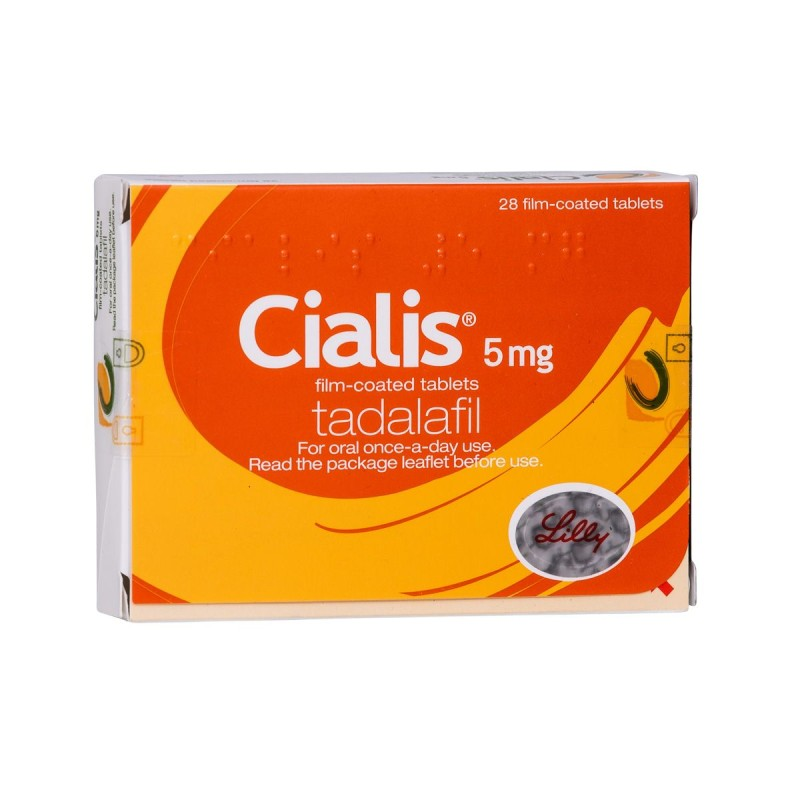
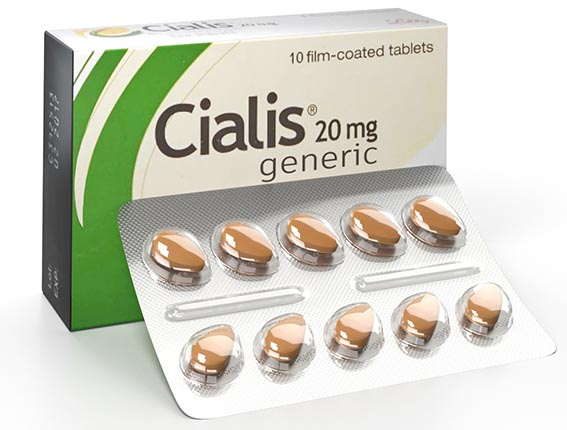

Cialis Generic
Cialis is a prescription medication used to treat erectile dysfunction and symptoms of an enlarged prostate by increasing blood flow through the relaxation of blood vessels.
$1.07 per pill
Cialis is a medication commonly prescribed to treat erectile dysfunction by increasing blood flow to the penis, helping men achieve and maintain an erection.
Top Benefits of Cialis 5 mg:
- Enhances blood flow to the penis, helping men achieve and maintain erections more reliably.
- Taken once daily, it allows for spontaneous intimacy without the need to time the dose around sexual activity.
- Eases urinary symptoms like frequent urination, weak stream, and urgency by relaxing muscles in the prostate and bladder.
- Effects can last up to 36 hours, offering flexibility and reducing pressure around timing.
- Emerging research suggests improved blood circulation may support heart health and even cognitive function in older adults.
Dosage & Instructions
Cialis (tadalafil) can be taken either daily (2.5–5 mg) or as needed (10–20 mg about 30 minutes before sex), depending on your doctor’s recommendation and frequency of sexual activity. It should be swallowed whole with water and works best with sexual stimulation; avoid taking more than one dose per day. While food doesn’t interfere much, heavy meals or alcohol may reduce its effectiveness or increase side effects.
Contains: Tadalafil
Important Safety Information
- • Avoid Nitrates: Never take Cialis with medications containing nitrates (often used for chest pain), as this can cause a dangerous drop in blood pressure.
- • Heart Health Matters: Do not use Cialis if sexual activity is inadvisable due to heart conditions or recent cardiovascular events.
- • Watch Alcohol Intake: Limit alcohol to fewer than 5 units; excessive drinking can increase the risk of dizziness or low blood pressure.
- • Report Vision or Hearing Changes: Sudden loss of vision or hearing may be serious—stop use and seek medical attention immediately.
- • Seek Help for Prolonged Erection: If an erection lasts more than 4 hours, get emergency medical help to prevent long-term damage.
Product Description
Cialis (tadalafil) is a prescription medication used to treat erectile dysfunction (ED) and benign prostatic hyperplasia (BPH) in adult men. As a phosphodiesterase type 5 (PDE5) inhibitor, it works by relaxing blood vessels and increasing blood flow to specific areas of the body, including the penis during sexual stimulation. This mechanism helps men achieve and maintain an erection, while also relieving urinary symptoms associated with an enlarged prostate, such as difficulty urinating or frequent urges.
Available in tablet form, Cialis comes in strengths of 2.5 mg, 5 mg, 10 mg, and 20 mg. It can be taken either once daily at a lower dose or as needed before sexual activity, depending on individual needs and medical advice. The effects of Cialis may last up to 36 hours, offering a longer duration of action than many other ED treatments. It can be taken with or without food, and its flexibility makes it suitable for men with varying lifestyles and preferences.
While generally well tolerated, Cialis is not suitable for everyone. It should not be used by individuals taking nitrates or certain blood pressure medications due to the risk of severe hypotension. Common side effects include headache, indigestion, back pain, and muscle aches, while rare but serious risks include vision or hearing loss and prolonged erections. A healthcare provider should always be consulted before starting Cialis to ensure it’s safe and appropriate based on your health history.
Ingredients
Cialis contains the active ingredient tadalafil, a selective inhibitor of the enzyme phosphodiesterase type 5 (PDE5), which enhances blood flow to specific areas of the body during sexual stimulation. Each tablet also includes several inactive ingredients that help with tablet formulation and absorption, such as lactose monohydrate, microcrystalline cellulose, croscarmellose sodium, hydroxypropylcellulose, sodium lauryl sulfate, and magnesium stearate in the core, along with a film coating made of hypromellose, triacetin, titanium dioxide (E171), iron oxide yellow and red (E172), and talc.
Reviews
"Cialis has proven to be a reliable and effective treatment for erectile dysfunction and benign prostatic hyperplasia, offering users the flexibility of both daily and as-needed dosing. Its long-lasting effects—up to 36 hours—make it a standout option for those seeking spontaneity and confidence in intimate moments. Many users report improved urinary symptoms and overall satisfaction with its performance, though mild side effects like headache or indigestion can occur. As with any medication, results vary, and consulting a healthcare provider ensures safe and optimal use."
"Cialis (tadalafil) is widely praised for its long-lasting effects and flexible dosing options, making it a popular choice for men managing erectile dysfunction and benign prostatic hyperplasia. Users often highlight the convenience of daily low-dose use or the spontaneity offered by the as-needed approach, with many reporting improved confidence and satisfaction in their intimate lives. Its ability to relieve urinary symptoms adds to its appeal, though mild side effects like headache or back pain are occasionally noted. Overall, Cialis is considered a dependable and well-tolerated treatment when used under medical guidance."
Drug Interactions
Cialis (tadalafil) can interact with a wide range of medications, which may alter its effectiveness or increase the risk of side effects. One of the most serious interactions occurs with nitrate-containing drugs, commonly prescribed for chest pain or heart conditions. Combining Cialis with nitrates can cause a dangerous drop in blood pressure, leading to dizziness, fainting, or even heart complications. Additionally, alpha-blockers used for high blood pressure or prostate issues may also intensify the blood pressure-lowering effects of Cialis.
Alcohol and certain foods can also influence how Cialis works. Excessive alcohol consumption—more than four drinks in a short period—can amplify side effects like dizziness, flushing, and heart palpitations. Grapefruit juice is another concern, as it may increase the concentration of tadalafil in the bloodstream, potentially intensifying its effects and side effects. It’s best to limit alcohol and avoid grapefruit products while taking Cialis to maintain safe and predictable results.
Cialis may also interact with other medications such as antifungals, antibiotics, HIV protease inhibitors, and drugs used to treat seizures. These interactions can either raise or lower the levels of tadalafil in the body, affecting its performance and safety. Because of the wide range of potential interactions, it's essential to inform your healthcare provider about all medications, supplements, and herbal products you’re taking before starting Cialis. This helps ensure the treatment is both safe and effective for your individual health profile.